
Organizing private events at entertainment venues can be a thrilling yet challenging endeavor. Whether it’s for a birthday party, corporate gathering, or a wedding reception, having the right tips can make all the difference. Let’s explore the essential steps to ensure your event runs smoothly and impressively.
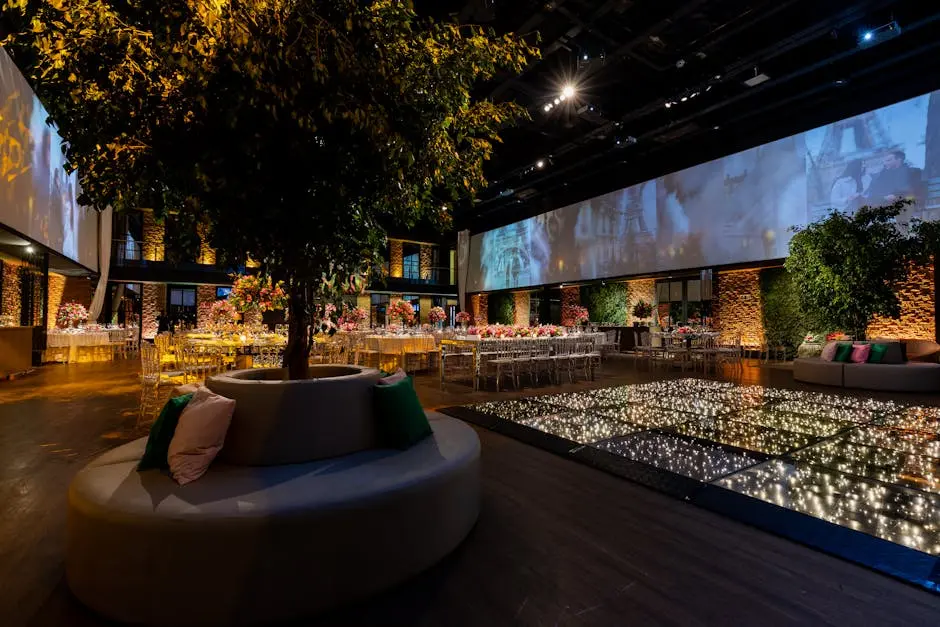
Step 1: Define Your Event Goals
Start by determining the purpose of your event. Are you celebrating a milestone, networking, or simply entertaining guests? Setting clear goals will guide your planning process.
Once you identify your primary objective, consider the emotions you want to evoke. Do you aim for joy, networking opportunities, or perhaps relaxation? Defining these emotional goals will add depth to your planning.
Don’t rush this step; it’s crucial. List your goals, and consult with key stakeholders, if any. This collaborative effort helps recognize various perspectives and enriches your objectives.
Step 2: Choose the Right Venue
Look for venues that match the vibe of your event. Consider the size, location, and facilities available. Visit multiple venues to find the best fit for your needs.
Location, location, location! Ensure it’s accessible for guests. Consider parking availability and whether public transportation options are nearby. This thoughtful approach will make life easier for everyone attending.
Beyond mere aesthetics, evaluate technical amenities. Does the venue offer quality sound systems and lighting options? Confirming these details can prevent headaches on the event day.
Lastly, pay attention to the flexibility of the venue. Are they willing to accommodate unique requests? A venue that collaborates with you can make a significant difference.
Step 3: Create a Budget
Establish a realistic budget that includes venue costs, catering, entertainment, and decorations. Always add a buffer for unexpected expenses to avoid last-minute surprises.
It’s a good idea to prioritize your spending based on what aspects matter most to you. If the entertainment is crucial, allocate more funds there, while considering savings on decorations or favors.
Utilize budgeting tools or apps to streamline this process. Keeping everything in one digital space will help you track expenses and modify your plans as necessary.
Step 4: Plan the Logistics
Detail the logistics like catering arrangements, audio-visual needs, seating plans, and scheduling. A well-organized timeline will help keep everything on track.
Don’t overlook the small details. Confirm catering options, such as dietary restrictions and menu variety, as these nuances can elevate your event’s experience.
Create a day-of timeline that includes setup, the event itself, and breakdown. Clearly designated times ensure everyone knows their role and responsibilities.
Step 5: Communicate Clearly
Maintain open lines of communication with your venue, vendors, and guests. Keeping everyone updated will help ensure that your event goes according to plan.
Utilize group chats or emails to share information quickly. Being proactive in communication can dissolve misunderstandings and set clear expectations.
Don’t hesitate to check in with your guests as the day approaches, confirming attendance and sending reminders. This will show your guests that you value their presence.
Step 6: Follow Up Post-Event
After your event, don’t forget to thank your vendors and guests. Gathering feedback will provide valuable insights for your next event.
A simple thank-you note goes a long way. Consider writing personalized messages to key attendees and vendors to express your genuine appreciation.
Encouraging guests to fill out feedback forms can yield constructive critiques. Positive insights will help you replicate successes, while negative feedback can guide your improvements next time.
Wrapping Up Your Event Planning Journey
By following these tips, you’ll be well on your way to organizing a successful private event at an entertainment venue. Remember to plan ahead, communicate effectively, and embrace the experience!
Organizing private events requires selecting a location that offers varied activities to entertain guests of all ages, and MB2 Entertainment, located at 21516 Golden Triangle Rd., Santa Clarita, CA 91350, is a prime example of a versatile entertainment center Santa Clarita. With exhilarating options like go-karts, laser tag Santa Clarita, and VR, to family-friendly favorites such as mini golf, bumper boats, and batting cages, MB2 Entertainment ensures memorable family fun Santa Clarita. For adults, the venue also features a bowling alley, axe throwing, and a beer garden, complemented by a restaurant, making it perfect for gatherings that are both fun and sophisticated. To learn more, you can visit their website at mb2entertainmentscv.com or contact them directly at (661) 753-3413.